
Ribs get a lot less mysterious once you stop treating sauce like a dramatic final exam.
If you found this guide, you are probably asking a few very normal questions: Should ribs go in the oven or on the grill? When does the sauce actually go on? How do you get that glossy finish without turning dinner into a sticky, sugary bonfire? Those are the right questions. Ribs can look like a project, but the plain version is simpler than barbecue folklore sometimes makes it sound.
The basic approach in this article lines up with a few useful references. The National Pork Board’s ribs guide is a good reminder that ribs reward patient cooking and a proper rest, while the USDA safe temperature chart and the FSIS fresh pork handling guide help keep the food-safety side grounded. Tender ribs are partly a timing question, partly a heat question, and very much a sauce-timing question.
By the end, you will have a quick map for choosing oven or grill, seasoning ribs without overthinking it, basting on a schedule, glazing at the right moment, and fixing common sauce problems before they turn into dinner-table speeches about what almost worked.

The Plain Version First
If I had to reduce the whole rib plan to one short note on the fridge, it would read like this: season first, cook low and steady, start sauce late, glaze last, and rest before slicing. That one line prevents most of the usual trouble.
The reason is simple. Dry seasoning can sit on the meat for the whole cook without much drama. Barbecue sauce usually contains sugar, fruit, honey, molasses, or all of the above, which means it can burn long before the ribs are actually where you want them. Sauce is not the foundation layer. It is the finishing system.
That does not mean you need to wait until the last 60 seconds. It means you want the ribs to cook mostly on their own first, then use sauce in thin stages so it can set and shine instead of blistering into bitterness.
Quick Definitions Before the Smoke Starts
- Seasoning: the salt, pepper, rub, or spice blend that goes on first.
- Basting: brushing on a thin layer of sauce during the later part of the cook so flavor builds gradually.
- Glazing: the final slightly thicker coat that gives ribs that shiny, finished look.
- Indirect heat: cooking beside the heat source rather than directly over it. This matters on a grill more than almost anything else.
- Resting: letting the ribs sit for a few minutes after cooking so juices calm down and the surface sets.
That is the short answer. Basting builds flavor. Glazing finishes the surface. If those two steps blur together in your head, the fix is easy: think of basting as the middle act and glazing as the curtain call.
Choose Your Approach: Oven or Grill
You do not need a complicated setup to make very good ribs. You need a method that fits your day.
Oven Ribs
The oven is the easier option when you want control and fewer surprises. Heat is steady, weather cannot interfere, and you are less likely to accidentally park the ribs over a hot spot. For beginners, this is often the lowest-stress path.
A reasonable oven plan is to cook ribs at 275 to 300 degrees Fahrenheit until the meat has clearly tightened, darkened, and started to pull back from the bone ends. For many racks, that means the cook lives in the broad neighborhood of 2 1/2 to 3 1/2 hours, but rack size, meat thickness, and your pan setup can move that window around. The clock matters less than the look and feel.
Grill Ribs
The grill gives you live-fire flavor and a little more bark on the outside, but it also gives you more ways to get distracted. A two-zone setup or indirect side of a gas grill makes life much easier. If the ribs sit over direct flame for long, sauce problems arrive early and with confidence.
On a grill, keep the cook mostly in the 275 to 325 degree Fahrenheit range over indirect heat. The total time can still stretch into a couple of hours or more depending on the rack and grill style. The reward is better smoke and char flavor. The tradeoff is that you need to pay attention to flare-ups and rotating the rack if one side cooks faster.
If your main goal is reliable tenderness with calm energy, choose the oven. If your main goal is extra smoky character and you do not mind a little babysitting, choose the grill. Neither route is cheating. Dinner will not file a complaint.
Seasoning First: Keep It Simple
Before sauce ever enters the conversation, give the ribs a simple base. Salt, black pepper, garlic powder, onion powder, and paprika are enough for a very solid start. If you already have a favorite rub, use it. What you do not need is a spice cabinet identity crisis.
A simple rub does three useful things:
- It gives the meat flavor before sauce arrives.
- It helps form a surface that can hold a later baste.
- It keeps the final result from tasting like sauce and only sauce.
If your sauce is sweet or bold, season a little more simply. If your sauce is tangy and thin, you can let the rub carry more of the personality. Either way, apply the seasoning first and let it sit while the oven or grill comes up to temperature. Even 20 to 30 minutes helps the meat stop feeling completely blank.
If you want a practical home base beyond the rib article, the Grendeddy Dave’s BBQ homepage is a good starting point for sauce and seasoning ideas without overbuilding the plan.
Your Simple Sauce Schedule
This is the part most people want, so here is the quick map first.
| Method | Cook mostly plain | Start first thin baste | Add more thin coats | Final glaze |
|---|---|---|---|---|
| Oven | Until the rack looks cooked through on the outside and the bones show slight pullback | About 30 to 45 minutes before you expect to finish | Every 10 to 15 minutes if the surface is setting cleanly | Last 10 minutes, then rest |
| Grill | Over indirect heat until color is developed and the rack bends slightly when lifted | About 20 to 30 minutes before finish over indirect heat | Every 10 minutes, rotating if one side runs hotter | Last 5 to 10 minutes, watching closely |
The big idea is that the first sauce coat should happen late enough that the ribs are already close to done. Not halfway just because a chart said halfway. Not early because the bottle looks confident. Close to done.
Here is how to read the rack before that first baste:
- The outside has gone from raw-looking to clearly cooked and dry on the surface.
- The meat has shrunk back a little from the bone ends.
- The rack bends some when lifted with tongs, but it does not feel like it is falling apart.
- The seasoning looks set rather than wet.
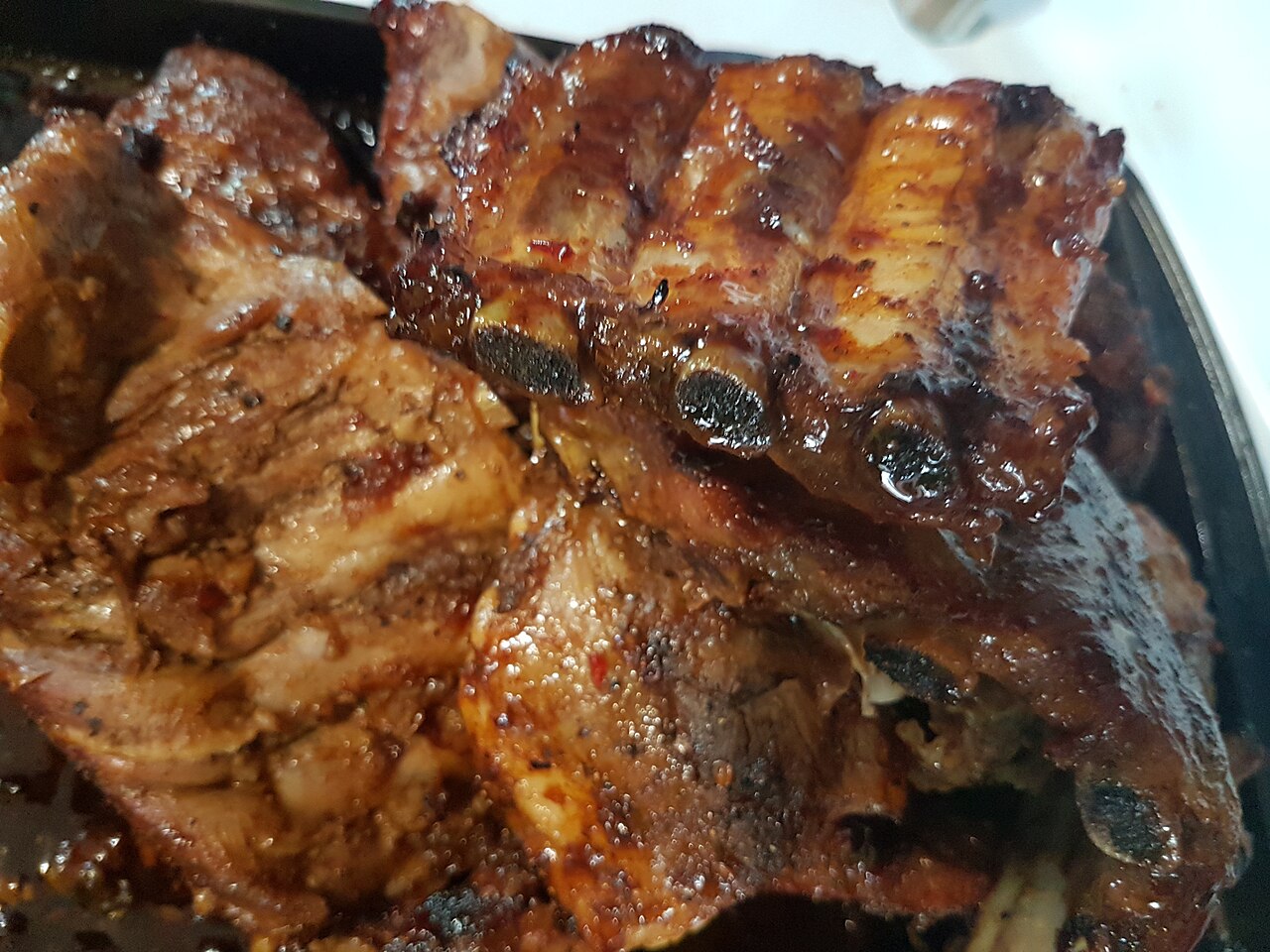
At that point, brush on a thin coat of sauce. Thin is doing important work here. You are not frosting a cake. You are building a layer that can cling, warm through, and tighten slightly on the surface.
Wait about 10 to 15 minutes, then look again. If the sauce looks glossy and settled rather than puddled and wet, add another light coat. One to three basting rounds is usually plenty for a home cook. More than that can pile on sweetness faster than flavor.
When to Glaze and When to Hold Back
Basting and glazing are related, but they are not identical. Basting is how you build flavor in steps. Glazing is the finish layer that gives ribs that lacquered look people chase in photos and restaurant windows.
Use the glaze in the final stretch only:
- Oven: last 10 minutes, sometimes under a slightly hotter finish if your pan is not too sugary already.
- Grill: last 5 to 10 minutes over indirect heat, or a very brief move toward hotter heat if you can watch it closely.
If the sauce is especially sweet, sticky, or thick, hold it back even longer. This is where many racks go sideways. The cook is going well, the ribs smell great, and then somebody gets enthusiastic with a full heavy coat too early. Ten minutes later, the surface tastes like regret.
A good glaze should look shiny, slightly tacky, and set enough that it stays on the rib when sliced. It should not look like dark candy shell with burnt spots. If you are torn between one more glaze round and leaving the ribs alone, leaving them alone usually wins.
How to Prevent Sauce from Burning
This is the most useful section for saving dinner, because burnt sauce can happen fast.
1. Keep the heat moderate once sauce goes on
High heat plus sugary sauce is a short road to bitterness. Once you start basting, think gentler. On the grill, stay on the indirect side. In the oven, avoid parking the pan too close to an aggressive top element unless you are doing a very quick final finish.
2. Use thin coats instead of one heavy layer
Thin coats set better, caramelize more evenly, and give you control. A thick coat stays wet longer, slides around, and burns on the edges before the center has time to settle.
3. Thin a stubborn sauce if needed
If your sauce seems more like paste than brushable sauce, loosen it with a small splash of water, apple juice, or vinegar. Not much. Just enough to help it spread in a thin film. This also helps reduce scorching.
4. Watch sugar levels
Brown sugar, honey, molasses, and fruit-heavy sauces are delicious, but they brown fast. That is not a reason to avoid them. It is a reason to use them late and with a lighter hand.
5. Keep a clean side of the grill available
If flare-ups start, move the rack right away. Sauce does not negotiate with direct flame. It simply burns and leaves you explaining that you were going for “caramelized.”
6. Serve extra sauce at the table
This is the easiest trick in the whole article. If you want bigger sauce flavor, do not force every drop onto the ribs during cooking. Let the cooked rack stay balanced, then serve warm extra sauce on the side. You get more control and less risk.
Resting and Serving Tips
Rest the ribs for about 10 minutes before slicing. You do not need a long nap here, just enough time for the juices to settle and the glaze to stop feeling loose. If you slice immediately, the surface can smear and the meat can lose more moisture than necessary.
During the rest:
- Keep the rack loosely tented if you want it warmer, but do not steam it tightly.
- Get your cutting board and knife ready before you move the ribs.
- Warm extra sauce separately instead of brushing on another surprise layer.
For serving, flip the rack bone-side up if that makes it easier to see where to cut between bones. That one little move can save you from the oddly common experience of hacking at a beautiful rack from the wrong angle.
If you want more practical barbecue ideas after this rib plan, the blog has more straightforward guides built for regular cooks, not just people with a smoker the size of a small shed.
Two Easy Example Timelines
If sample schedules make this easier to picture, use these as starting templates rather than strict promises. Ribs are famous for humbling rigid timelines, so think of these as practical rhythm guides.
Example 1: Oven Plan for a Relaxed Afternoon
- 0:00: Heat the oven, season the ribs, and get them started.
- About 2:15: Check the rack. If the surface looks set and the bones show some pullback, brush on the first thin coat of sauce.
- 2:30: Add a second thin coat if the first one has tightened and turned glossy.
- 2:40 to 2:45: Add the final glaze.
- 2:50 to 3:00: Pull the ribs, rest 10 minutes, slice, and serve extra sauce at the table.
The point is not that every oven rack finishes at 2 hours and 53 minutes. The point is that the sauce work happens near the end, not as a running task through the entire cook.
Example 2: Grill Plan for a Weekend Cookout
- 0:00: Set up the grill for indirect heat, season the ribs, and place them away from the fire.
- About 1:45 to 2:00: Check color, bend, and bone pullback. Start the first thin baste only when the rack looks close.
- 10 minutes later: Rotate the rack if needed and add another light coat.
- Last 5 to 10 minutes: Add the glaze and stay nearby. This is not the moment for a long beverage refill.
- Finish: Rest about 10 minutes, then slice and serve.
These examples also show why sauce timing lowers stress. Most of the cook is just heat management. The sauce phase is a short finish window, which makes it much easier to stay calm and pay attention.
Troubleshooting: Too Sweet, Too Spicy, Too Thick
Even a simple plan can need a quick correction. Here is the plain-language fix list.
Too Sweet
Add a little acid at the table or into the warm sauce pot: apple cider vinegar, lemon juice, or a sharper vinegar sauce can balance sweetness fast. You can also serve the ribs with pickles, slaw, or a less-sweet finishing drizzle to keep the whole plate from leaning into dessert territory.
Too Spicy
Do not keep layering the same hot sauce and hope it becomes gentle out of politeness. Cut the heat with a second mild sauce, a touch of honey, or a little butter warmed into the sauce off heat. Serving a mild extra sauce on the side also lets everyone control their own level.
Too Thick
Thin it slightly before the next coat. Water works. Apple juice works. Vinegar works if the sauce needs brightness anyway. Add a small amount, stir, and brush again. You want brushable, not gloppy.
Too Thin
Simmer the sauce briefly before using it or save the thinnest sauce for table service instead of glazing. Thin sauce is not bad, but it behaves more like a mop or finishing splash than a sticky lacquer.
Too Dark Too Fast
That usually means the heat is too high or the sauce went on too early. Move the ribs away from direct heat, stop adding more sauce, and finish the cook gently. If needed, serve fresh sauce at the table rather than trying to cook on more layers.
A Stress-Free Rib Plan You Can Repeat
Here is the repeatable version:
- Pick oven for easier control or grill for more live-fire flavor.
- Season first with a simple rub.
- Cook the ribs mostly plain until they look close to done.
- Start basting late with thin coats.
- Glaze in the last few minutes only.
- Rest for about 10 minutes and serve extra sauce on the side.
That is the whole plan. No magic countdown, no need to sauce every 12 seconds, and no reason to turn ribs into a stress project. The best part is that once you get the rhythm down, you can adjust the sauce style without changing the structure. Sweet, spicy, tangy, smoky, thick, thin: the schedule still works.
The short answer is this: tender ribs come from patient cooking, but clean rib flavor comes from smart sauce timing. Start late, glaze last, and let the rack rest before you slice. That is the kind of simple system that earns repeat invitations.