
Finding your spice comfort zone is much easier when you treat heat like a dial, not a dare.
If you landed here, you are probably asking a few practical questions: How hot is too hot for me? Should I start with a mild sauce or jump to something bolder? Why does one sauce feel pleasantly warm while another seems to take over the whole plate? Those are the right questions, and the answers are usually simpler than people make them sound.
Two useful reference points help frame the conversation. The Scoville scale is a familiar way to describe pepper heat, and the McCormick Science Institute’s capsaicin overview explains why peppers create that warming sensation in the first place. In everyday barbecue terms, though, the question is not “How many numbers can I tolerate?” It is “What level still lets me enjoy the food?”
By the end of this guide, you will have a simple way to sort sauces into mild, medium, and bold, taste them without burning out your palate, understand why sweet or tangy sauces can feel gentler, and fix a sauce that overshoots your comfort zone.
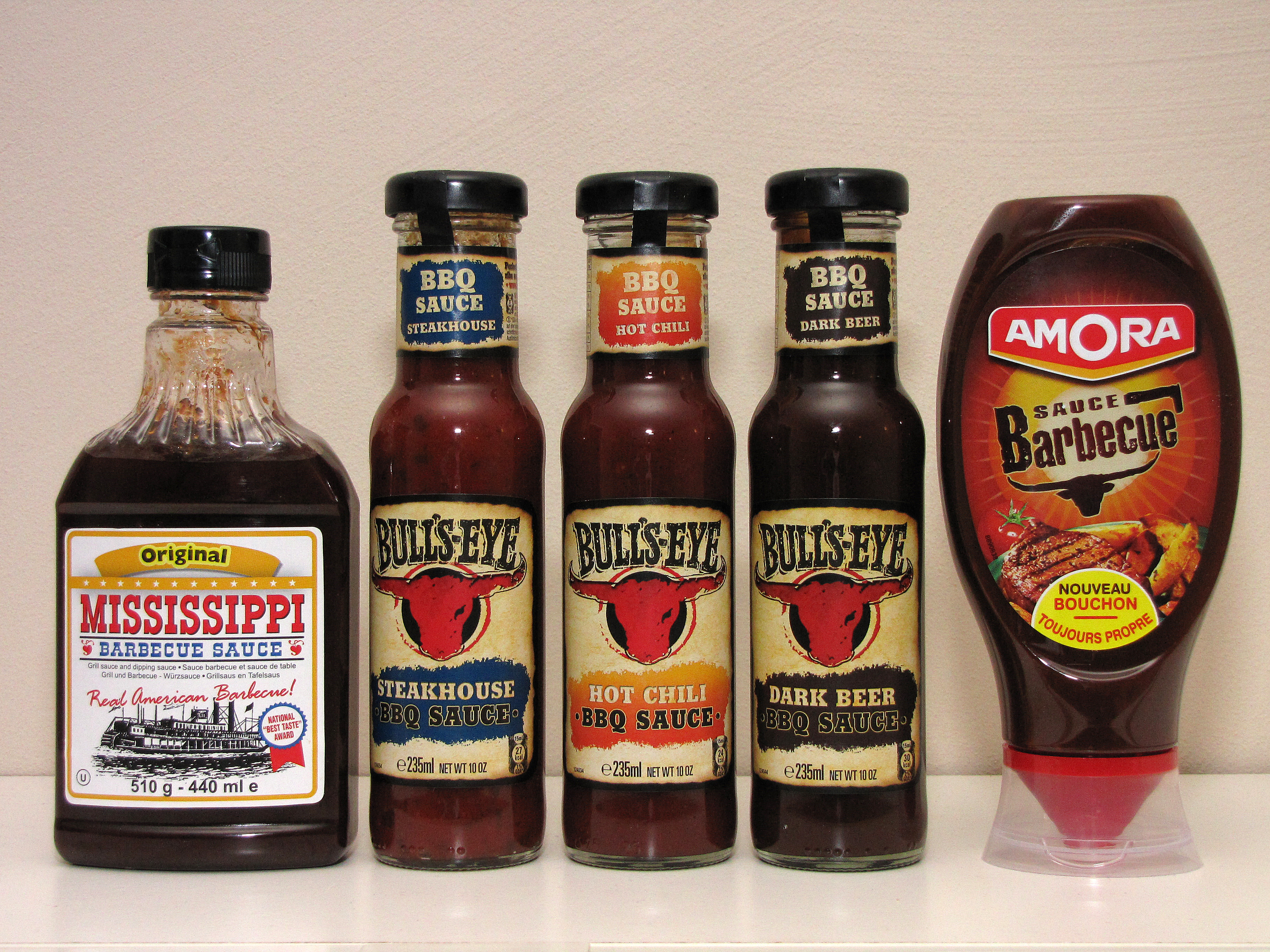

What Heat Comfort Zones Actually Mean
Most people do better with plain-language categories than with macho heat talk. A useful sauce guide is less about bragging rights and more about what happens after the first bite.
| Comfort zone | What it feels like | Best fit | Watch for |
|---|---|---|---|
| Mild | Little to no burn, mostly flavor first | Family meals, dipping, burgers, chicken, pulled pork sandwiches | Sauces that seem mild in the spoon can feel sharper once layered heavily |
| Medium | A noticeable warm finish that fades without taking over | People who want some kick but still want to taste the meat and sides | Heat can build over a few bites, so portion size matters |
| Bold | Heat arrives early or lingers, even when the sauce is balanced | Spice fans, wings, ribs, and smaller finishing amounts | Easy to overdo if you use it like a table sauce instead of a glaze or accent |
The practical rule: if you stop noticing the food and start thinking only about the burn, the sauce is outside your comfort zone for that meal.
That does not mean a bold sauce is “too much” in general. It just means it may work better as a finishing drizzle or side option than as a full coating. If you are still building your lineup, the Grendeddy Dave’s homepage is a good starting point for a broader look at the flavor side of the table.
A Quick Note on What “Hot” Means
Heat and flavor are related, but they are not the same thing. The heat in peppers comes from capsaicin, while a barbecue sauce’s personality also depends on sweetness, acidity, smoke, salt, and texture. That is why two sauces can have a similar pepper base and still feel very different when you taste them.
This is also why the barbecue sauce family is so broad. A vinegary sauce with pepper can read bright and sharp. A thicker sweet sauce with pepper may feel slower and rounder. Same idea, different ride.
If you are choosing for a group, avoid reducing everything to “hot” or “not hot.” A better question is: Does this sauce lead with sweet, tang, smoke, or heat? That one sentence usually tells people more than a dramatic label ever will.
How to Taste Safely Without Blowing Out Your Palate
The simplest method is still the best one: start small, wait a minute, then decide. Heat often lands in stages. A sauce that seems easy on the first second can bloom after you swallow, especially if it includes cayenne, chili extracts, or a sharp pepper finish.
Try this tasting order when you are comparing sauces:
- Start with the mildest-looking or sweetest option first.
- Use a small spoonful or a light swipe on a bite of plain meat, bread, or a cracker.
- Wait 30 to 60 seconds before tasting the next one.
- Take a sip of water only if you need a reset, but let the flavor settle before judging it.
- Move from mild to bolder instead of bouncing around randomly.
If you taste three hot sauces back to back without pausing, the fourth one does not get a fair trial. At that point your mouth is less of a judge and more of a witness in distress.
A few small habits help:
- Keep a mild base food nearby, like plain chicken, bread, rice, or a simple potato side.
- Use clean spoons so flavors do not blur together.
- Do not test your hottest option first unless your plan is chaos.
- Write quick notes if you are comparing several bottles for a cookout or gift box.
If you want more sauce timing ideas after you settle on a heat level, the blog has practical guides on when to baste, glaze, and serve sauce on the side.
Why Sweet and Tangy Sauces Can Feel Gentler
One of the easiest mistakes is assuming a sweeter sauce must always be milder. That is not always true, but sweetness and tang can change how the heat lands.
Here is the plain version:
- Sweetness can round off the edges and make heat feel slower.
- Tang can brighten the sauce and keep it from tasting heavy.
- Smoke can deepen the flavor so the heat feels more integrated instead of sharp.
This matters because many people do not mind some heat. What they dislike is harsh heat with nothing to balance it. A sauce with a touch of sweetness or vinegar may still be lively, but it can stay enjoyable longer because the flavor keeps pace with the pepper.
That is why a medium sauce often makes the best household middle ground. It gives spice fans enough interest while still staying friendly to the person who just wants to enjoy a sandwich without negotiating with their drink every two bites.
Cooking Changes Heat Perception
A sauce tasted cold from the spoon is not always the same sauce once it warms on ribs, chicken, or pulled pork. Heat can feel stronger, softer, or simply more noticeable depending on how the sauce is used.
When sauce feels hotter after cooking
If the sauce reduces on the grill or in the oven, its flavor can concentrate. A bold sauce brushed on in several layers may seem hotter on the finished food than it did in a quick taste test.
When sauce feels gentler after cooking
Cooking can also mellow the impression of heat when the sauce mixes with rendered fat, meat juices, or a sweeter glaze base. That is one reason a sauce that tastes sharp on a spoon may feel better balanced on pork or chicken.
What this means at home
Taste once on the spoon and once on the food. That one extra step saves a lot of guessing. If you are grilling for a group, brush a small corner of the meat first, taste that section, and then decide whether the whole batch should get the same treatment.
This also lines up nicely with the advice in our Sauce 101 guide on marinades, basting, and finishing: apply sauce with intention instead of treating it like paint.
A Simple Family Strategy: Always Keep One Mild Option
If you are feeding a family or a mixed crowd, keep at least one clearly mild option on the table. It sounds obvious, but this one habit prevents most barbecue drama before it starts.
A simple lineup looks like this:
- One mild sauce for broad appeal and dipping.
- One medium sauce for people who want a little more life.
- One bold sauce served in smaller amounts or on the side.
Label them plainly if you are setting out bottles for guests. “Mild,” “medium,” and “bold” is more helpful than “house special inferno thunder.” Visitors should not need detective work before lunch.
If you are not sure where to begin, start the meal with the mild sauce on the food and let guests add medium or bold at the table. That protects the whole tray and gives everyone a cleaner choice.
FAQ: What If the Sauce Is Too Hot?
Can I fix a sauce that is already on the food?
Usually, yes. The easiest move is to dilute the experience around it instead of trying to erase the heat completely. Serve the spicy meat with bread, rice, slaw, mac and cheese, or a plain side that gives the palate somewhere calm to land.
What can I mix into the sauce itself?
If the sauce is still in the bowl or saucepan, try a small amount of one balancing ingredient at a time:
- a milder sauce from the same meal
- a little honey or brown sugar if the sauce needs softness
- a splash of vinegar if the sauce feels heavy as well as hot
- a touch of butter for a richer finish on cooked foods
The key is to adjust in small steps. Going from “too hot” to “now it tastes like candy” is not really a rescue.
What should I serve with a bold sauce?
Pair it with foods that give contrast rather than competition. Slaw, baked beans, cornbread, potato salad, and simple grilled meats all help bold sauce feel more balanced. Pick sides that cool the plate down instead of adding a second heat source just to prove a point.
Does water help?
Water can give a brief break, but food pairings usually work better for the meal overall. If a sauce keeps creeping up on you, the better fix is smaller portions and more balanced bites rather than trying to power through it.
What if different people in the house want very different heat levels?
That is normal. Keep the base cook mild and let the sauce variety do the work. You do not need three separate dinners. You need one calm default and a few smart finishing choices.
How to Find Your Starting Point
If you are still unsure, start here:
- If you usually avoid spicy foods, begin with a mild sweet or tangy sauce.
- If you like a little kick in tacos, wings, or chili, try a medium sauce first.
- If you actively look for lingering heat, use a bold sauce as a finishing option before you make it the main coat.
- Taste on the spoon, then on the food, and wait a minute before deciding.
- Keep one mild option on hand no matter how adventurous the rest of the table may be.
The goal is not to impress the bottle. The goal is to enjoy the meal. Once you know whether you prefer mild, medium, or bold, choosing sauces gets much easier and a lot less random.
If you want help choosing a sauce lineup for your next cookout or gift set, the next practical step is simple: browse the site, compare flavor styles, and contact Grendeddy Dave’s if you want a direct product question answered before you order.