
The fastest way to taste BBQ sauce without fooling yourself is simple: compare one sauce to the next using the same setup every time. Memory is unreliable, your palate gets loud after the first hot sample, and random tasting order turns useful notes into vibes.
If you want more BBQ basics after this, the blog index keeps the practical stuff together, and the home page gets you back to the main site pages without wandering around for twenty minutes like a lost bag of charcoal.
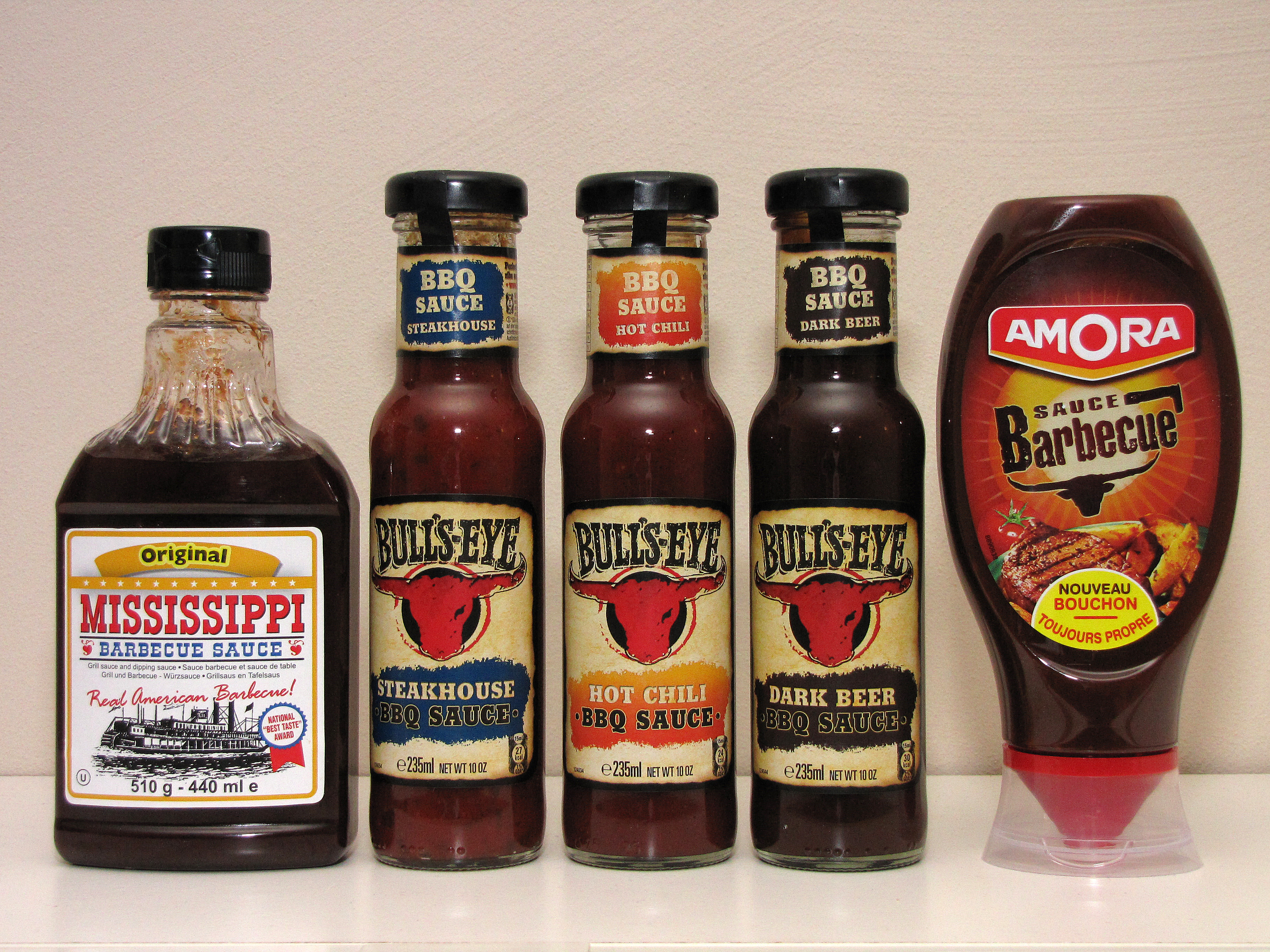
Choose a tasting order: mild to bold
Start with the gentlest sauce and end with the loudest one. If you begin with the hottest bottle, everything after that will taste like a polite suggestion. That is not insight. That is palate damage.
- Begin with the mildest, least spicy sauce.
- Move toward tangier and smokier options.
- Save the hottest bottle for last.
- Take a quick reset sip of water or a bite of plain bread between samples if needed.
Use one consistent vehicle
Pick one neutral food and stick with it. Bread works. Plain chicken works. Unsalted crackers work. The point is to test the sauce, not the snack. If every sample rides on a different vehicle, you are judging the delivery system instead of the sauce.
If you use chicken as the tasting vehicle, keep the USDA safe temperature chart nearby. For a second food-safety reminder, the USDA guide to grilling food safely is worth the minute it takes to scan.
Look for balance: sweet, smoky, tangy, heat
Good sauce usually hits more than one note. Sweetness, smoke, tang, and heat can all show up in the same bottle, but they should not all shout at once. If you want a plain-English frame for how flavor gets sorted in the mouth, Britannica’s overview of the taste sense is a clean reminder that your palate is processing more than one signal at a time.
- Sweet: Does it taste like brown sugar, molasses, honey, or just straight syrup?
- Smoky: Is the smoke a background note or the whole act?
- Tangy: Does vinegar or acid lift the sauce, or does it take over?
- Heat: Does the heat build gradually or hit immediately and stay rude?
Do not ask whether a sauce is “best” in the abstract. Ask what job it does. A sweet sauce may be great on a burger and clumsy on ribs. A tangy sauce may wake up pork and overwhelm chicken. Context matters. Sauce is not a religion.
Texture check: pour, cling, finish
Texture tells you whether a sauce behaves like a finishing sauce, a dipping sauce, or a sticky mess with branding. Watch three things.
- Pour: Is it thin enough to move, or does it slump out like old paint?
- Cling: Does it coat the food or slide off the side?
- Finish: Does the texture feel clean, glossy, heavy, or grainy at the end?
A sauce that clings well is usually easier to finish on the grill. A thinner sauce may work better as a dip or a late brush-on glaze. Neither is automatically better. Pick the behavior that matches the meal.
Aftertaste and heat build timing
The first taste can lie. Some sauces open sweet and then turn smoky. Some start balanced and then go sharp. Some stay quiet for two seconds and then show up with heat like they were invited to a fight.
Pay attention to when the heat arrives, how long it sticks around, and whether the aftertaste feels clean or muddy. A good note here might be as simple as “heat builds slowly, then fades cleanly” or “sweet up front, pepper in the finish.” You do not need poetry. You need evidence.
Record notes: quick scoring sheet template
Keep your notes short enough that you will actually use them again. If you write a novel, you are no longer tasting. You are performing scholarship with sticky fingers.
| Sauce | Sweet | Smoke | Tang | Heat | Texture | Aftertaste | Best Use |
|---|---|---|---|---|---|---|---|
| Sauce 1 | 1-5 | 1-5 | 1-5 | 1-5 | Thin / medium / thick | Short note | Dip / glaze / finishing sauce |
| Sauce 2 | 1-5 | 1-5 | 1-5 | 1-5 | Thin / medium / thick | Short note | Dip / glaze / finishing sauce |
| Sauce 3 | 1-5 | 1-5 | 1-5 | 1-5 | Thin / medium / thick | Short note | Dip / glaze / finishing sauce |
If numbers make you annoying, use words instead: mild, medium, bold; thin, sticky, heavy; clean finish, lingering finish, rough finish. The goal is a comparison you can repeat next time, not a museum label.
Pick your favorites for the next cookout
When the tasting is done, choose one all-purpose sauce, one finishing sauce, and one that can handle heat without collapsing into syrup and regret. That is enough for most cookouts. More bottles do not automatically mean better taste. They usually just mean more decisions.
Keep the winners together, write down what each one does well, and use that list the next time you shop. If you want more practical BBQ reading after that, the blog has more sauce notes, and the home page keeps the main site pages in one place.