
If your BBQ tastes good but not quite finished, the fix is usually layering, not dumping on more sauce. Smoke, salt, sweetness, and a little tang each do a different job. Put them in the right order and the whole plate tastes deeper, not louder.
The short version is simple: build a base, add sauce in thin layers, finish lightly, and keep the texture on the food. If you want the brand side of the story first, start at the home page and keep this guide handy while you browse the blog for more cookout ideas.
Before we get into the steps, two good references are the USDA’s grilling and barbecue guide and FoodSafety.gov’s barbecue and grilling page. They are not flavor manuals, but they are useful guardrails when sauce meets heat.
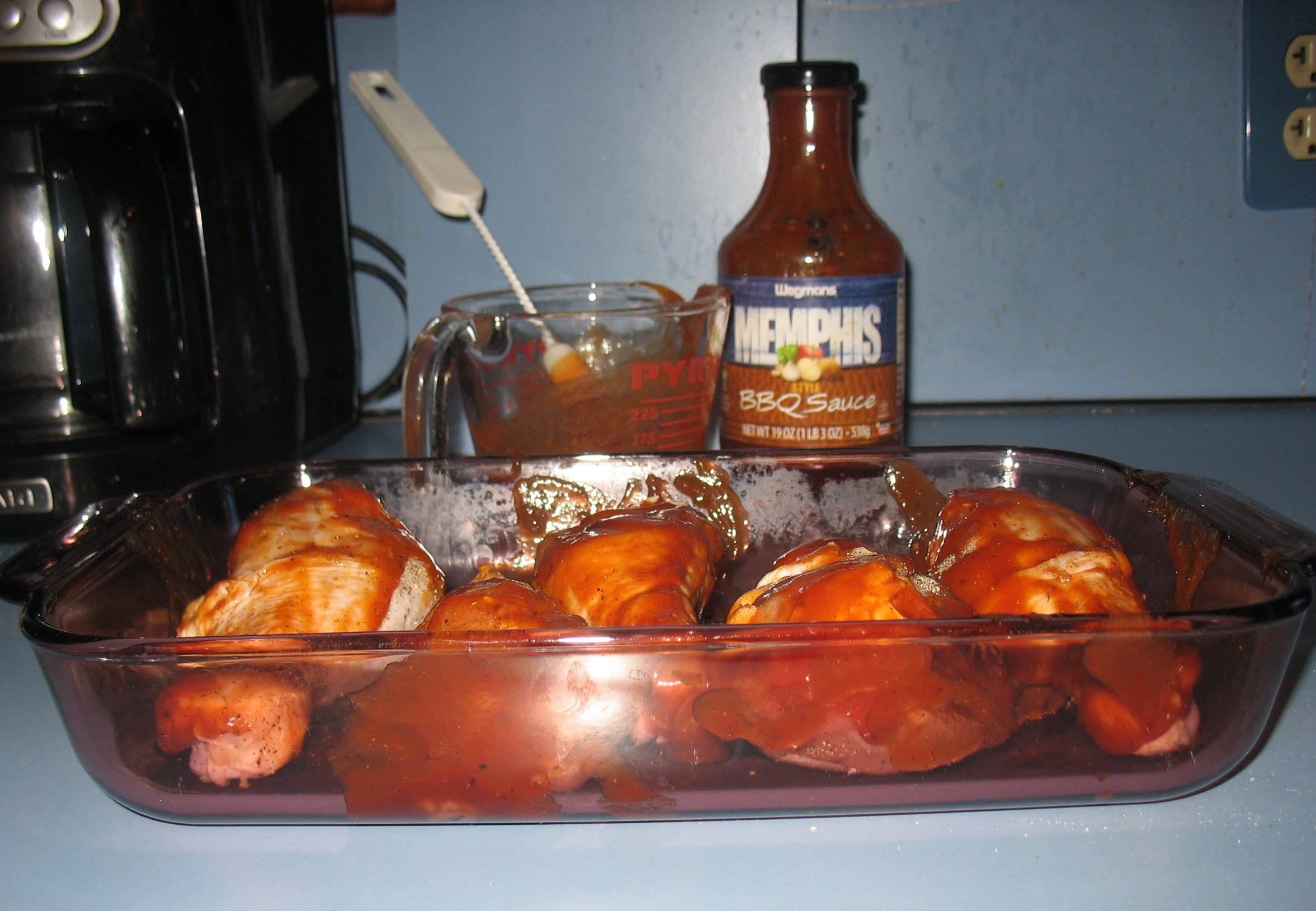
A quick map of flavor depth
Think of flavor depth like a band instead of a solo. The rub sets the rhythm, the sauce adds melody, and the finish brings the last note. If one layer shouts too loudly, the rest disappears.
| Layer | What it does | Best use |
|---|---|---|
| Base seasoning | Builds the first impression and gives the meat a clear backbone | Before the grill or smoker gets involved |
| Early sauce layer | Creates a light glaze and starts the flavor conversation | When you want sauce to settle in, not sit on top |
| Late sauce layer | Adds shine and a more noticeable sauce note | Near the end, once the surface already has some color |
| Finishing drizzle | Adds a fresh aroma right before serving | On the platter, not for a long cook |
Start with a base: seasoning or rub
A good base does not need to be complicated. It just needs to do three things well: add salt, add a little spice, and help the food taste like itself. A rub is the quiet part of the dish, which is funny because it does a lot of the work.
For flavor depth, the base matters because sauce works better when it has something to sit on. A plain piece of meat with a thick coat of sauce can taste one-note. A well-seasoned surface gives the sauce something to echo.
- Keep the rub simple. Salt, pepper, garlic, onion, paprika, or a similar blend is usually enough.
- Match the base to the cook. A mild rub leaves more room for sauce. A bolder rub can stand up to a sweeter glaze.
- Let the surface dry a bit. A wet surface makes it harder for seasoning to stick and harder for sauce to behave.
If you like to compare bottles, this is where a tasting side-by-side can help. Grendeddy Dave’s sauces and seasonings are built for that kind of practical test: start with a simple base, then see which sauce style adds the most depth without burying the smoke.
Add sauce in layers: early vs. late
The biggest mistake is treating sauce like a paint roller. Thin coats work better. They help the surface build flavor without turning soft or sticky too fast. If you want the smoke to stay visible, the sauce should be invited in, not move in with all its furniture.
Early sauce is useful when you want the flavor to settle into the cook. Late sauce is better when you want a brighter finish and a cleaner sauce note. Most home cooks do best with a little of both.
- Brush on a light coat when the surface already has some color.
- Let that layer set before adding more.
- Use the last coat for shine, not for volume.
If you want a plain-language food-safety refresher while you are at the grill, the USDA grilling guide above is the best place to start. FoodSafety.gov has a second official overview that is easy to skim between checks on the food.
Balance sweet and tang to highlight smoke
Sweetness rounds off rough edges. Tang wakes the palate up. Smoke sits in the middle and gives the whole thing a backbone. When those three are balanced, the food tastes fuller instead of just sweeter.
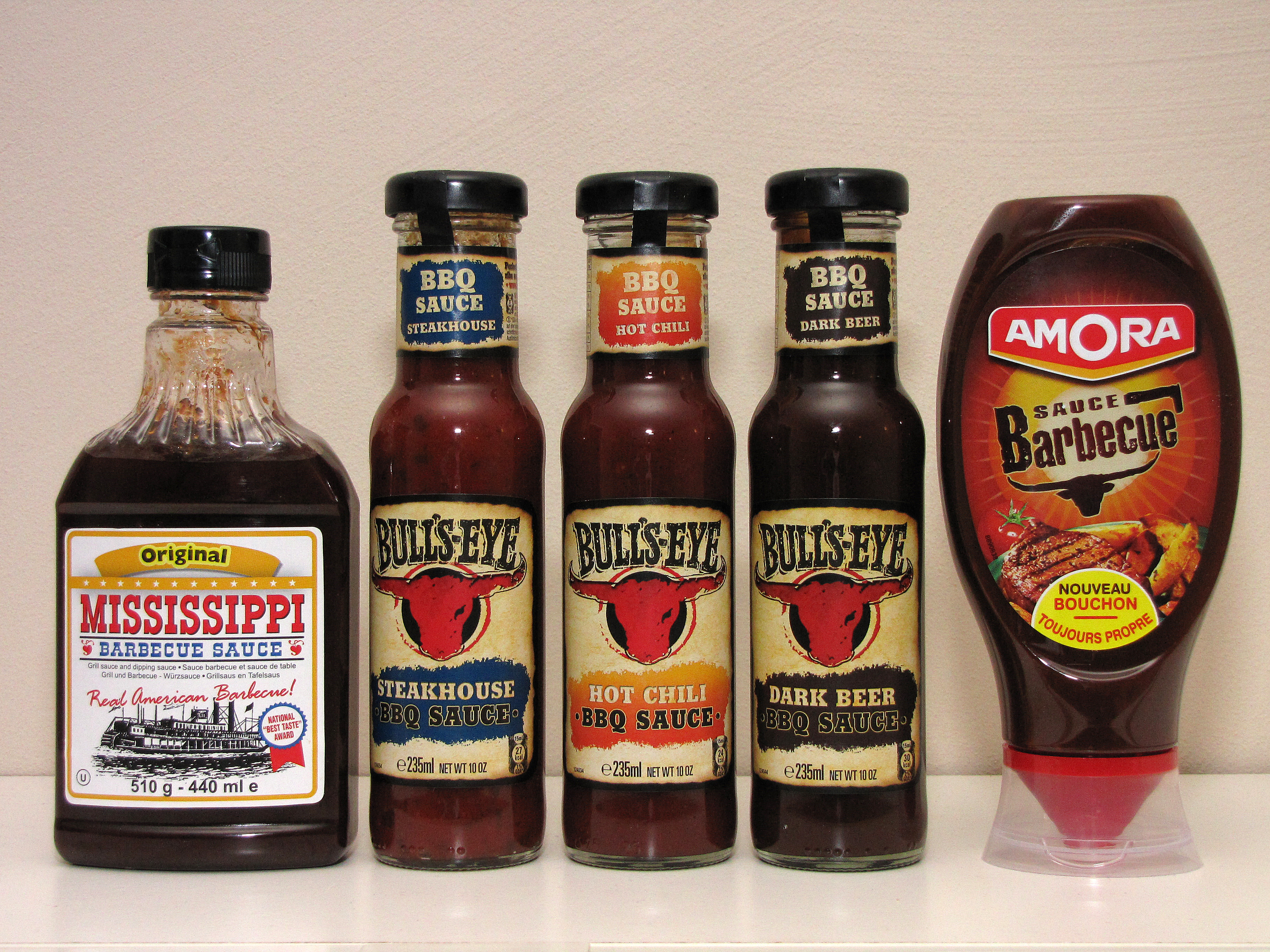
This is why a sauce that tastes great on the spoon can still feel flat on the meat. The spoon test tells you whether the sauce is pleasant. The grill test tells you whether it can share the stage.
Here is the simplest way to think about it:
- Too sweet: the finish can feel heavy and the smoke gets pushed back.
- Too tangy: the sauce can feel sharp but thin.
- Balanced: the sauce tastes lively, and the smoke still reads clearly.
If you are using a sweeter sauce, pair it with a lighter rub. If you are using a tangier sauce, let the base seasoning carry a little more of the weight. The goal is not to make every bite identical. The goal is to make the flavor feel like it has a center.
Use a finishing drizzle for aroma
The nose gets the first bite. A small finishing drizzle or brush at the end gives the food a fresher aroma than a sauce that has been cooked down for a long stretch. That is why a last-minute glaze can feel more vivid even when the ingredient list barely changes.
Use the finishing move sparingly:
- Brush or spoon on a thin layer just before serving.
- Keep the layer light enough that the texture still shows through.
- Use the platter or serving tray as the final tasting stage.
This is a good place to resist the old cookout instinct to solve everything with more sauce. A little fresh shine goes a long way. Nobody needs a rack of ribs that looks like it went through a weather event.
Avoid over-saucing: keep texture
Texture matters because flavor is not only taste. It is also how the food feels when you bite it. If the sauce is too thick or too heavy, it can hide the bark, soften the crust, and flatten the whole experience.
Watch for these signs that you have gone too far:
- The sauce slides off instead of clinging.
- The surface looks wet instead of glossy.
- Each bite tastes the same, even when the base was seasoned well.
The fix is usually easy: stop earlier, add thinner coats, and keep extra sauce on the side for people who want more. That gives everyone a choice and keeps the main cook from turning into a sauce rescue mission.
Try one experiment per cookout
The best way to learn flavor depth is to change one thing at a time. If you adjust the rub, the sauce timing, and the finishing drizzle all at once, you will not know which change helped. That is how a simple dinner becomes a mystery report.
Try one of these small experiments next time:
| Experiment | What to watch |
|---|---|
| Brush sauce earlier | Does the flavor settle in without getting heavy? |
| Use a tangier finish | Does the smoke feel brighter? |
| Cut the final coat in half | Does the texture stay better? |
If the notes start to feel like a recurring checklist for family gatherings or fundraiser cooks, a work order management software builder is one neutral example of the kind of tool people use to keep tasks, timing, and handoffs organized. For most backyard cooks, a notebook is enough. The point is to remember what changed.
The short version
- Start with a solid seasoning base.
- Add sauce in thin layers instead of heavy coats.
- Balance sweet and tang so the smoke still shows up.
- Use a light finishing drizzle for aroma and shine.
- Change one thing at a time so you can repeat what works.
If you want more simple cookout ideas, the blog has more guides, and the home page makes it easy to get back to the sauces and seasonings themselves.