
Short version: grilling season goes smoother when you do a little work early. Spring is for checking supplies, early summer is for taste tests, mid-summer is for planning the crowd, late summer is for gift-ready stock, and fall is for using the same sauces on indoor meals. Nothing fancy, just a sane rhythm.
If you want the quick map of the site first, start at the home page and use the blog as the place to keep the next few cookout ideas in reach.
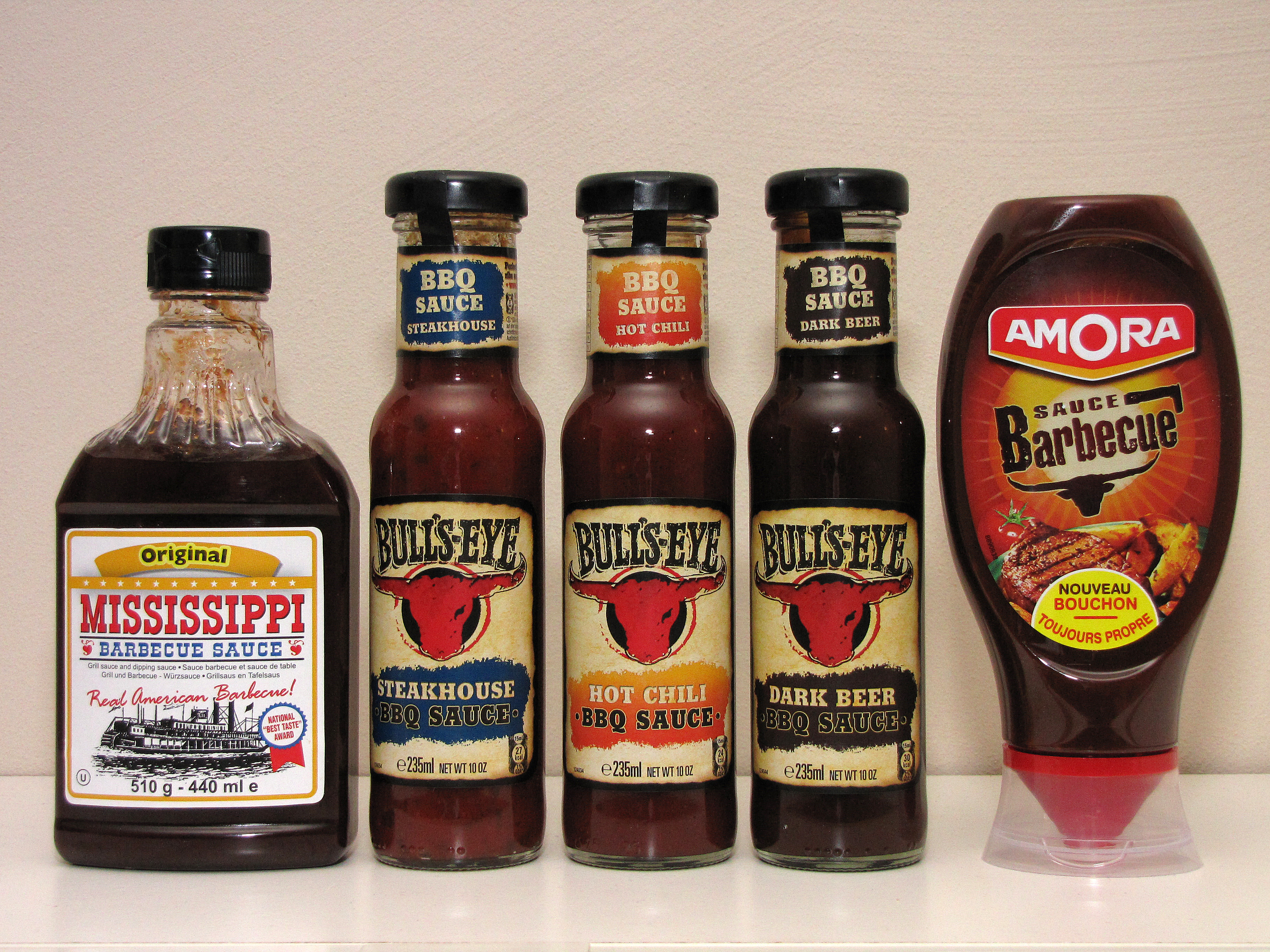
Spring: inventory sauces, tools, and backups
Spring is the month for the boring work that saves you later. Check what bottles are open, what has run low, and what tools always seem to disappear right when the grill warms up. If your tongs are missing in March, they will not magically reappear in July. That is apparently how barbecue equipment behaves.
Two good plain-language references are the USDA’s grilling and barbecue guide and FoodSafety.gov’s barbecue and grilling page. They are useful when you want a simple refresher on safe setup and timing before the first cookout of the season.
- Count sauce bottles and seasonings before you buy anything else.
- Replace brushes, foil, gloves, lighter fuel, and thermometer batteries.
- Keep one backup bottle of your most-used sauce so a good plan does not stall out.
- Write down what you used last year so you do not rebuy the same thing twice.
Early summer: test your favorite sauce pairings
Once you are cooking regularly, move from inventory to tasting. This is the season to see which sauce feels best on chicken, ribs, burgers, pork, or vegetables. A sauce can be delicious on a spoon and still feel wrong on a plate, which is why the test matters.
Start simple:
| Food | Best first test | Why it helps |
|---|---|---|
| Chicken | Sweet or tangy sauce in a thin finish coat | Shows whether the sauce brightens the meat or covers it up |
| Ribs | Thicker sauce with a little heat | Lets you see how well the sauce clings after the cook |
| Burgers | Small drizzle instead of a full glaze | Keeps the burger from turning into a one-note sauce sandwich |
| Vegetables | Milder sauce or a light brush | Helps delicate flavors stay visible |
When you compare sauces this way, the labels stop being abstract and start being useful. That is the whole point. A bottle does not need to be the star. It just needs to do its job well.
Mid-summer: plan events and cookouts
By mid-summer, the grill is no longer an experiment. It is a calendar. That is when it helps to write down the things that usually get remembered too late: guest count, side dishes, serving time, cooler space, and who is bringing buns. If your cookouts start acting like small project plans, a work order management software builder is one neutral example of the kind of tool people use to keep recurring tasks, reminders, and handoffs organized.
- Pick the main protein first, then match sauces to it.
- Plan one mild option and one bolder option so guests have a choice.
- Keep extra sauce aside for people who want more at the table.
- Make a simple shopping list with sauces, seasonings, and serving supplies together.
This is also a good time to check whether your favorite bottle still fits the way you cook. Some sauces work best as a finish, some as a brush-on glaze, and some as the thing people reach for at the table. A lineup gets easier to manage when each bottle has a job.
Late summer: organize gift items and hosting supplies
Late summer is the quiet little reminder that the season is not just about eating. It is also when gift boxes, host thank-yous, and tailgate extras become useful. If you already know which sauces get used first, you can set aside a few bottles for gifting before the busy stretch turns your pantry into a game of hide-and-seek.
- Set aside gift-ready bottles or sets in a clean, dry place.
- Keep label cards or simple notes handy if you give sauces as gifts.
- Store serving spoons, brushes, and small trays with the sauces they usually travel with.
- Refill the stuff that vanishes fastest, like paper towels and disposable gloves.
This is the month where organization quietly pays for itself. Not glamorous, but very effective, which is honestly a fair trade.
Fall and winter: use sauce for indoor roasting and stovetop meals
When the outdoor routine slows down, the sauces still have work to do. Use them on oven-roasted chicken, pork tenderloin, meatloaf, skillet sandwiches, or quick stovetop meals. The flavor job stays the same even when the grill is asleep for a while.
Keep the same habit you used outside: taste before you pour, apply in thin layers, and finish lightly at the end. That approach keeps sauce from overpowering a dish that is more delicate than a big summer cookout plate.
- Use sweeter sauces on roasted meats that can handle a little caramelization.
- Use tangier sauces to wake up leftovers or simple pan meals.
- Use milder sauces when you want the seasoning and the protein to stay in front.
- Keep the bottle you liked most in reach so the next weeknight dinner does not start from scratch.
Simple checklist per season
| Season | One job to finish | What success looks like |
|---|---|---|
| Spring | Inventory sauces, tools, and backups | You know what to restock before the first cookout |
| Early summer | Test sauce pairings on a few different foods | You know which bottles fit which proteins |
| Mid-summer | Plan events, guest counts, and serving notes | You are not guessing at the last minute |
| Late summer | Set aside gift items and hosting supplies | You can hand off a bottle or host without scrambling |
| Fall and winter | Move sauces into indoor cooking routines | The bottles keep earning shelf space all year |
The short version is still the same: do a little planning before each stretch of the season, and the food gets easier to enjoy. If you want more ideas, the blog has more guides, and the home page keeps the sauce lineup close at hand.