
When the weeknight clock starts sprinting, I want dinner to feel like a plan, not a rescue mission.
I keep coming back to the same three questions: What can I make fast? What can I keep flexible? What can I finish with sauce so it still feels like a real dinner? As Julia Child put it, “People who love to eat are always the best people.” That is the right attitude for a Tuesday, too.
The reason I reach for a simple Grill Box-style dinner is plain enough. A fast meal still needs a safe one, and the USDA’s safe minimum internal temperatures chart and FoodSafety.gov’s barbecue and grilling guide are still the boring little guardrails I trust. They are not glamorous, but neither is guessing with dinner. For the plate itself, USDA MyPlate’s what-is-MyPlate overview is a useful reminder that a sauce-forward meal can still make room for vegetables, grains, and balance.
If you want the quick version: I’m using one sauce set, one protein idea, and one easy side for each dinner so the whole thing feels repeatable. If you want to start at the brand pages first, the home page and the blog index keep the rest of the site easy to find.
A quick map of the three dinners
I like to see the whole plan before I start chopping. That way the sauce choice, the protein, and the side all point in the same direction instead of competing for attention like three cousins at a family reunion.
| Meal | Main idea | Fast path | Best sauce move |
|---|---|---|---|
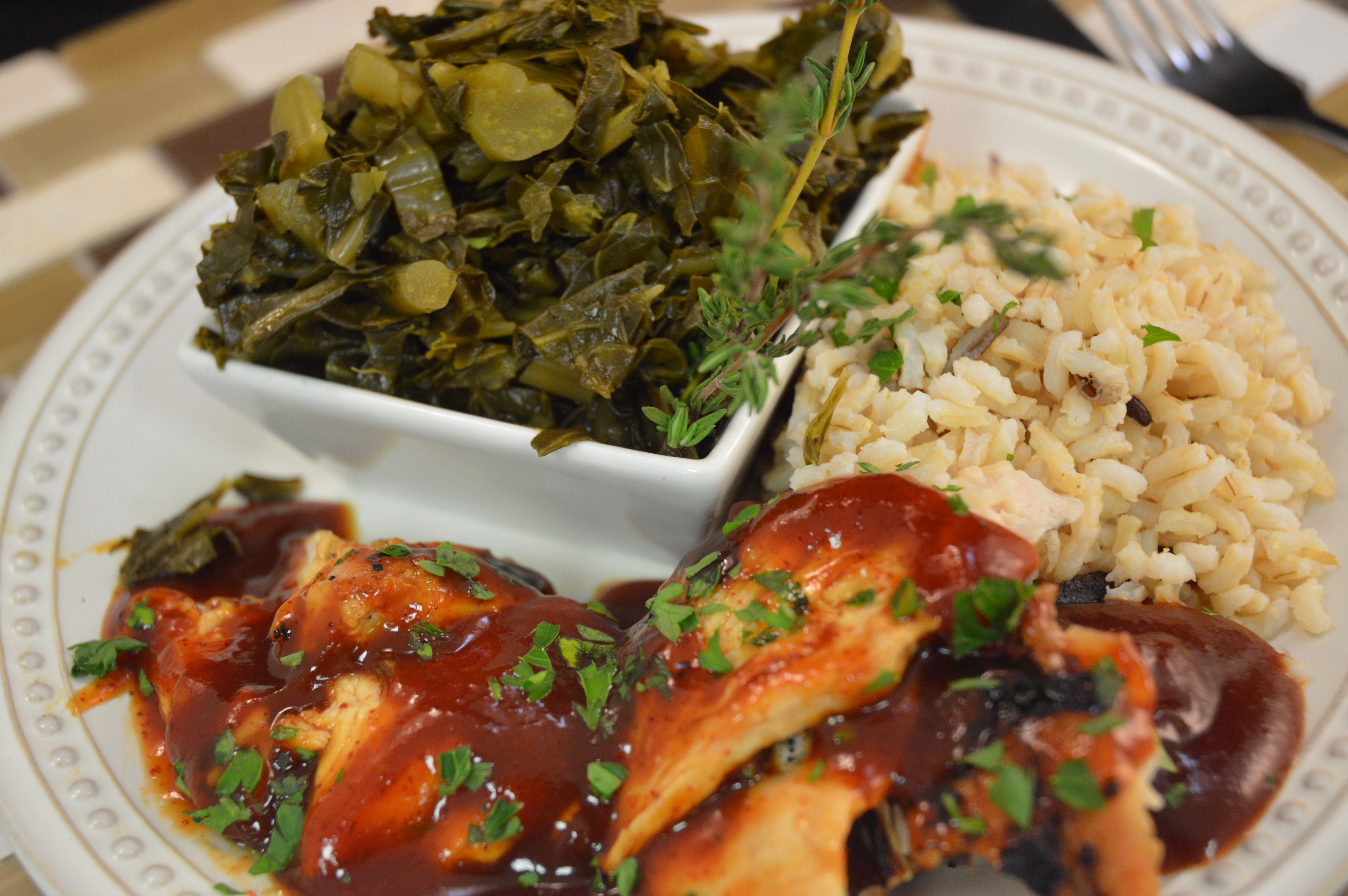
| Glazed chicken with finishing drizzle | Use a simple protein and let the sauce do the talking | Season, cook, then brush on a last-minute glaze | Go light first, then add a small finishing pour |
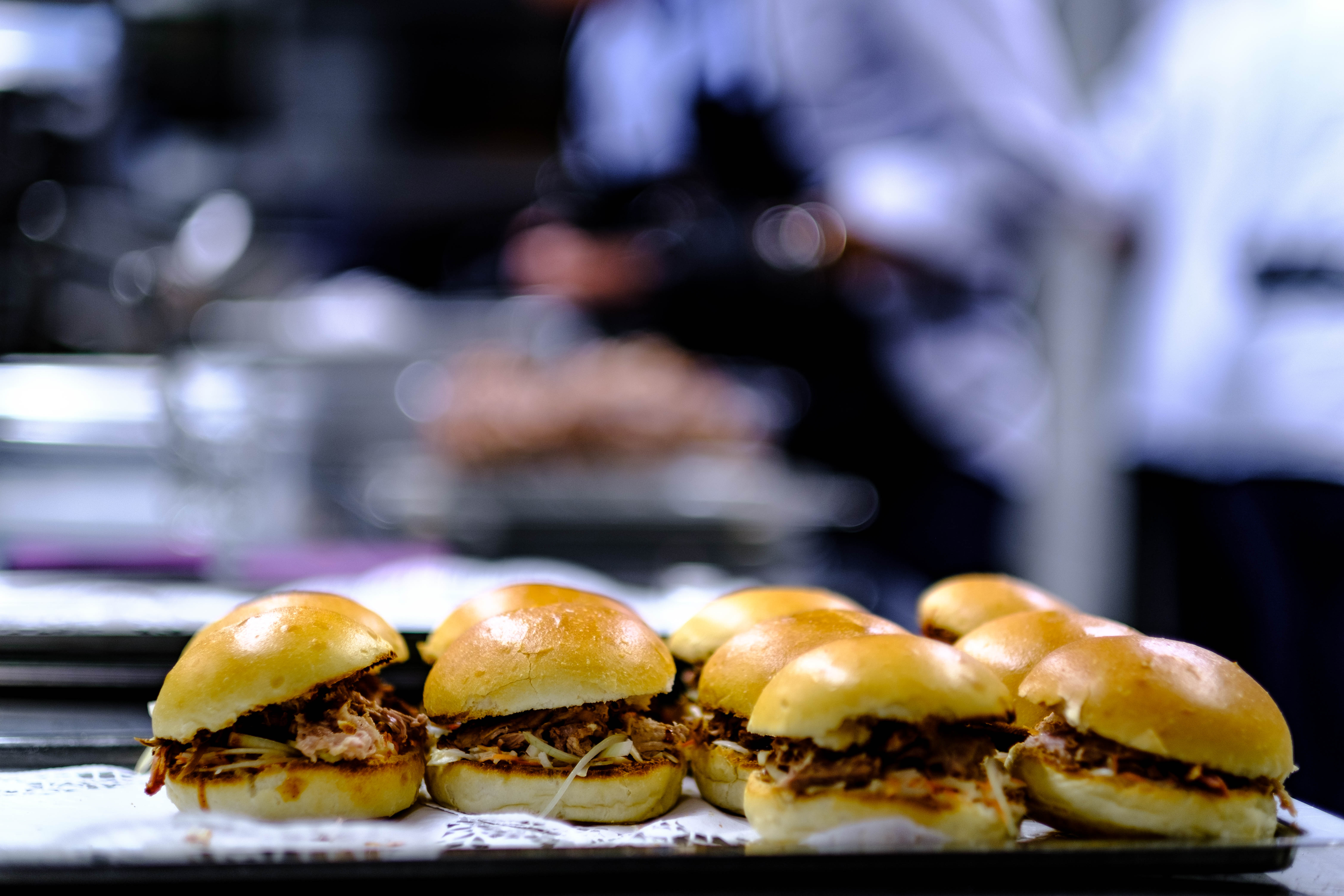
| Pulled pork sandwich with slaw | Build a sandwich that stays messy in a good way | Use leftover pork or a quick-cooked batch | Mix sauce into the pork and keep extra on the side |
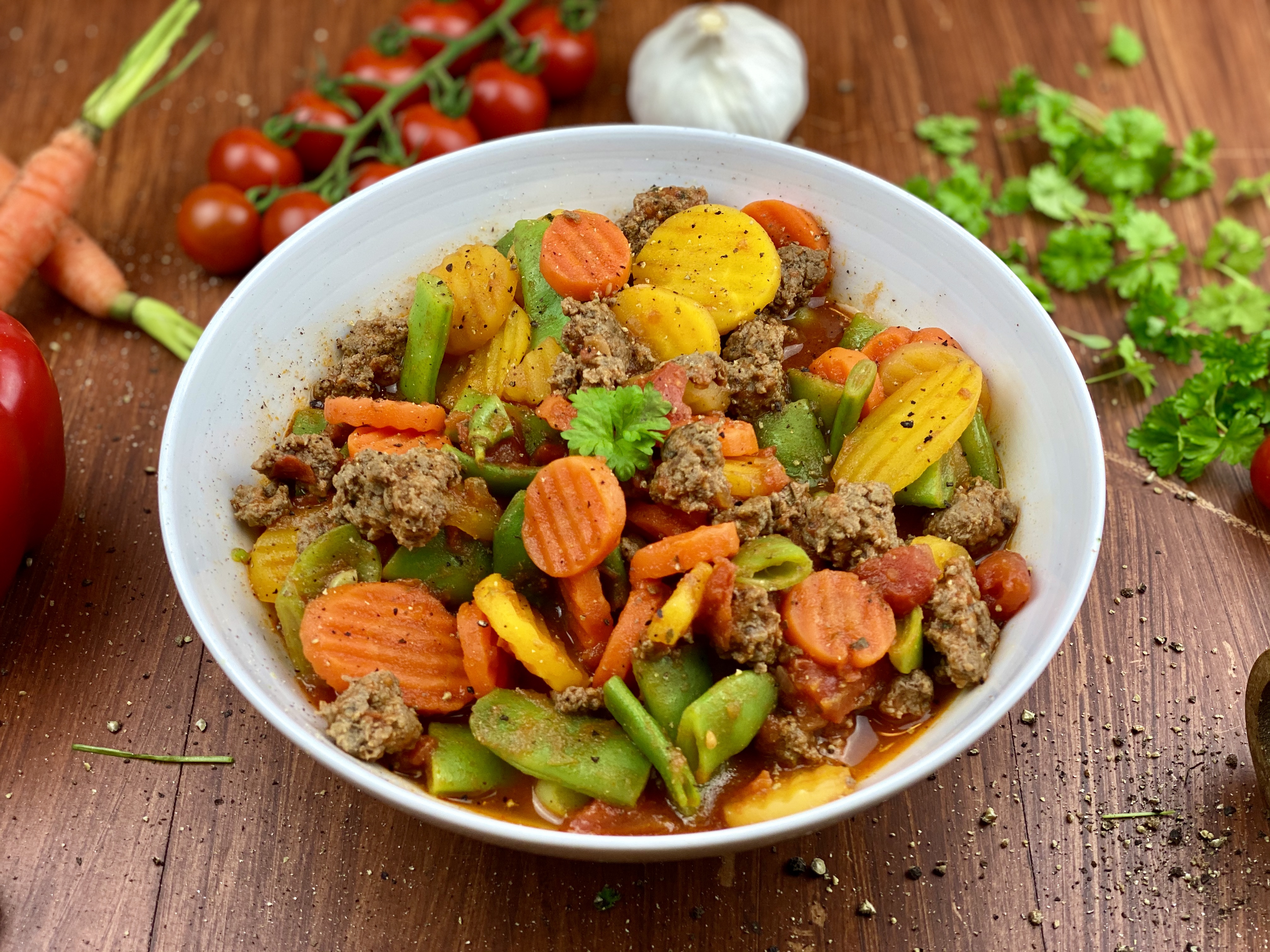
| Veggie bowl with sauce dressing | Turn vegetables, grain, and sauce into a complete bowl | Use roasted, grilled, or leftover vegetables | Thin the sauce a little and treat it like dressing |
Terminology first: the short version
I do not want dinner to turn into vocabulary class, but a few terms make the whole thing easier to follow.
- Glaze: a sauce layer that adds shine and a little stick without needing a long cook.
- Finishing drizzle: the last small spoonful or brush of sauce right before serving.
- Slaw: a crunchy cabbage side that gives a sandwich something cool and crisp to push against the sauce.
- Sauce dressing: a thinner sauce that can coat vegetables or grains without flooding them.
- Weeknight dinner: the kind of meal that should feel clear, calm, and possible at the end of the day.
That is the whole game. Once those terms make sense, the recipes stop looking like separate projects and start looking like one flexible dinner system.
Recipe 1: Glazed Chicken with a Finishing Drizzle
This is the dinner I reach for when I want the most obvious “grill” feeling without a complicated setup. Chicken takes on seasoning well, and it leaves room for sauce to finish the job instead of doing all the work up front.
I start with whatever cut is easiest to cook evenly. Thighs are forgiving, breasts are leaner, and drumsticks are fine if that is what I already have. The point is not to be precious. The point is to get dinner on the table without negotiating with the clock.
- Basic build: chicken, a simple seasoning, one Grill Box sauce, and a small handful of chopped herbs or scallions if I have them.
- Shortcut: keep the sauce on the side while the chicken cooks, then brush on a thin glaze near the end.
- Finish: add one last drizzle after the chicken comes off the heat so the sauce tastes fresh instead of baked down.
The trick here is restraint. I want color and shine, not a sticky shell that hides the chicken. A thin coat gives the meal the right kind of finish, the way a good jacket makes you look organized even if you got the email five minutes ago.
If you want a gentle check on balance, think of the plate this way: chicken for protein, a vegetable on the side, and a starch or grain if you want the meal to feel complete. That is where MyPlate becomes useful in plain English. It is a basic map, not a rule book.
My quick chicken method
- Season the chicken lightly and let it sit while the grill or pan heats.
- Cook until the chicken is nearly done.
- Brush on a small amount of sauce near the end so it does not scorch.
- Rest the meat for a minute, then add a finishing drizzle on the plate.
Best sauce tip: if your sauce leans sweet, keep the seasoning simple. If your sauce leans tangy, you can lean harder on pepper or garlic in the rub so the whole thing tastes a little broader.
Recipe 2: Pulled Pork Sandwich with Slaw and Sauce
This is the dinner that knows what it is: casual, a little messy, and absolutely happier with napkins nearby. It is also the most forgiving of the three because leftover pork, batch-cooked pork, or quick-shredded pork all behave well when a strong sauce and a crisp slaw show up.
I like this option when I want the sauce to act like a binder. It clings to the meat, ties the sandwich together, and lets the slaw bring a cool counterpoint. The sandwich stays simple, but it never feels lazy.
- Basic build: pulled pork, sandwich buns, slaw, and a sauce that sits somewhere between finishing sauce and spread.
- Shortcut: warm the pork gently, then fold in just enough sauce to coat it instead of drowning it.
- Finish: add a little extra sauce on the top bun or serve it on the side for the people who think more sauce is a personality trait.
For the slaw, I like the standard crunch: cabbage, a little dressing, and enough brightness to keep the pork from feeling heavy. If you want a plain-language refresher on the side dish itself, Britannica’s coleslaw entry is a neat shorthand for the role it plays on the plate: cool, crunchy, and there to keep the sandwich honest.
This sandwich also scales nicely. If one person wants extra sauce and another wants a drier bite, I can satisfy both without cooking twice. That is why it belongs in a weeknight list. It solves arguments quietly.
How I keep it fast
- Keep the pork already cooked or use a fast-cooked batch on a day off.
- Warm the buns at the same time the pork heats.
- Put slaw together while the sauce loosens in the pan or bowl.
- Set out extra sauce so each sandwich can be built at the table.
Best sauce tip: if your sauce is especially bold, use less inside the pork and more at the end. That keeps the sandwich from turning into one long sauce note.
Recipe 3: Veggie Bowl with Sauce Dressing
This is the dinner I make when I want the sauce to do something a little different. Instead of standing on top of meat, it becomes the dressing that pulls vegetables, grains, and any leftover roasted bits into one bowl.
It is the most flexible of the three recipes. If I have rice, farro, quinoa, roasted sweet potato, grilled zucchini, peppers, or leftover green beans, they can all work together as long as the sauce is balanced and the bowl has some texture.
- Basic build: a grain or base, roasted or grilled vegetables, one sauce thinned a little, and a crunchy topping if I have one.
- Shortcut: use whatever vegetables are already cooked and warm them just enough to feel intentional.
- Finish: drizzle a little extra sauce on top and add something crisp like nuts, seeds, or onion for contrast.
This is where I like to treat sauce more like a dressing than a glaze. A spoonful of sauce mixed with a little water, stock, or another mild liquid can stretch the flavor and help it coat the bowl instead of sitting in one sticky corner. That small adjustment makes the whole dinner feel lighter without making it bland.
For balance, I think about the plate in three pieces: something soft, something crisp, and something saucy. MyPlate’s basic shape works well here because the bowl can hold a vegetable-heavy mix without making the meal feel like a side dish pretending to be dinner.
Veggie bowl formula
| Part | Examples | Why it helps |
|---|---|---|
| Base | Rice, quinoa, farro, or mashed potatoes | Gives the sauce something steady to land on |
| Vegetables | Grilled peppers, zucchini, broccoli, carrots, or greens | Adds color and keeps the bowl from feeling flat |
| Sauce dressing | Thinned BBQ sauce, sauce mixed with vinegar, or sauce with a little broth | Ties the bowl together without drowning it |
| Crunch | Seeds, crispy onions, chopped peanuts, or toasted breadcrumbs | Gives the bowl a second texture and a cleaner finish |
Common prep steps that keep all three dinners fast
The fastest dinners are the ones that share prep. I do not need three separate systems; I need one smart system that can go in different directions.
| Step | Do it once | Why it matters |
|---|---|---|
| Season early | Mix or apply seasoning before the heat goes on | Gives the food a head start without extra effort later |
| Sort sauces first | Choose one sauce for glazing, one for the table, and one for backup | Stops the “which bottle now?” pause from eating dinner time |
| Prep one crunchy thing | Make slaw, chop scallions, or toast seeds | Adds texture across all three dinners |
| Keep a neutral base ready | Cook rice, warm buns, or set out buns and bowls | Makes it easier to switch recipes if someone changes their mind |
If the weekly meal plan starts living in a shared note, calendar, or task board, that is where AI integration services can be a practical example of how one connected workflow pulls reminders, inventory, and planning together. I am not saying dinner needs software to be edible. I am saying the planning gets easier when the pieces stop living in separate corners of the phone.
My rule: I prep the common pieces first, then decide which of the three dinners the night actually wants. That keeps the meal flexible without making it vague.
How to scale the idea for guests
One nice thing about these dinners is that they scale without changing personality. If two people are eating, I keep things minimal. If six people are eating, I add more of the same parts instead of inventing a new menu and pretending I am relaxed about it.
| Guest count | What I add | What stays the same |
|---|---|---|
| 2-3 people | One protein, one sauce, one side | Single platter, single bowl, easy cleanup |
| 4-6 people | Extra buns, extra vegetables, and a second sauce option | One main flavor direction so the table stays coherent |
| 7+ people | Batch-cooked protein and a sauce bar | Mild-to-bold order so guests can move through the flavors |
A sauce bar also helps when everyone wants the same dinner with slightly different opinions. One person likes sweet, one person likes tang, and one person thinks heat is a personality trait. Put the bottles out in order and let people build their own plate without making the cook answer the same question nine times.
If you want the same meal to work for a crowd, write the plan down once. That is the whole secret. A half-legible list on the counter beats ten minutes of “wait, what was I doing?” every time.
Sauce swapping tips when you do not have the exact flavor
I do not believe dinner should be canceled because one bottle is missing. If the exact sauce you wanted is not there, use the flavor job instead of the label. That keeps the dinner moving.
| If the recipe wants… | Use this kind of sauce | What changes |
|---|---|---|
| Sweet glaze | Any sauce with brown sugar, molasses, or a sweeter profile | Great on chicken; use a lighter hand on the finish |
| Tangy sandwich sauce | Vinegar-forward or bright tomato sauce | Works well in pulled pork and can cut through richer meat |
| Sauce dressing | Any sauce thinned with a little broth or water | Better for bowls and vegetables than for heavy glazing |
| Bold finishing sauce | Spicier or smokier bottle | Use as the last layer so the flavor stays clear |
That little bit of swapping is where the dinner becomes useful beyond one recipe. A good sauce can jump from chicken to pork to vegetables as long as I let the rest of the plate make sense. Sauce is the headline, but it still needs a supporting cast.
What I would make tonight if I had to pick one
If I wanted the fastest path with the fewest moving parts, I would probably start with the glazed chicken. If I wanted the most satisfying, crowd-friendly option, I would go with the pulled pork sandwich. If I wanted the most flexible dinner that stretches leftovers, I would choose the veggie bowl.
That is the real value of a Grill Box dinner idea: it does not lock you into one result. It gives you a repeatable pattern. Once the sauce, base, and finish make sense, you can swap the ingredients around and still end up with something that feels like dinner, not a project.
Wrap-up: pick your favorite and repeat
These three dinners work because they keep the same basic logic: one main ingredient, one sauce decision, one finishing move. That is enough structure to make the evening feel handled without turning it into a production.
The short version is this:
- Use glazed chicken when you want a simple plated dinner.
- Use pulled pork sandwiches when you want a messy, satisfying crowd-pleaser.
- Use a veggie bowl when you want the sauce to dress the whole meal instead of sitting on top of it.
- Keep common prep steps shared so the night stays quick.
- Swap sauce by flavor job, not just by bottle label.
If you want more sauce-forward meal ideas, the blog index is the easiest next stop, and the home page keeps the main Grendeddy Dave’s pages together. My honest advice: pick one of these dinners, make it once, then repeat it before you forget how easy it was. That is how a weeknight recipe stops being a one-off and starts becoming a habit.