
I keep seeing the same mistake: people treat BBQ sides like they exist to absorb whatever sauce happened to be nearest. That is how a decent slaw turns limp, a pot of beans turns syrupy, and potato salad starts tasting like regret.
When you search for the right sauce for slaw, beans, corn, potato salad, or green beans, you are really asking a few practical questions: Which sauce style fits the side? How much should I add? When should I add it? And what should I absolutely not do if I want the dish to still taste like food instead of a dare?
“The only real stumbling block is fear of failure.” — Julia Child
That line works in the kitchen, up to a point. The smarter version is this: start with a small amount of sauce, taste, and adjust. The problem is rarely a lack of sauce. It is a mismatch between sauce weight and the side dish underneath it. If you want a plain-English background check on the dishes themselves, the entries on coleslaw and baked beans are a reasonable place to start before you start pouring.
By the end of this article, you will know which sauce styles make sense for each side, when to mix versus drizzle versus finish, and how to keep the whole plate balanced. If you want more sauce advice after this, the blog has plenty of the same no-nonsense approach. If you need to get back to the source, the home page keeps the main products and site sections in one place.
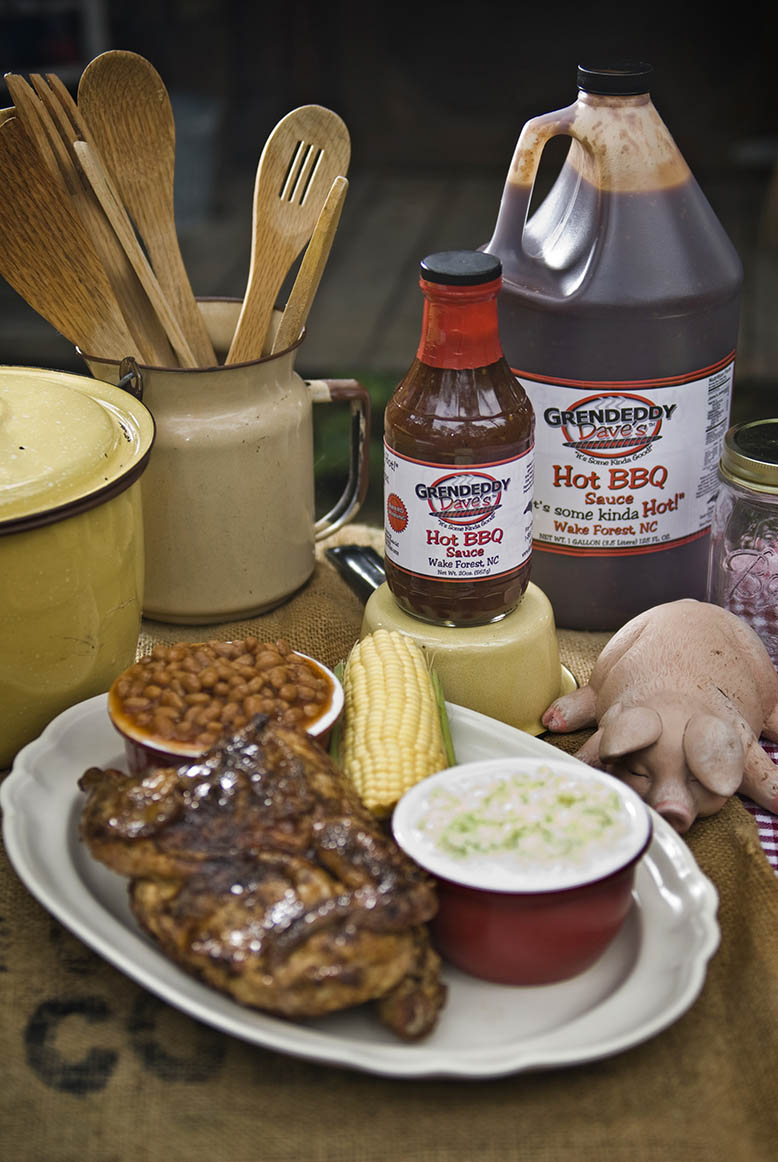
What I Mean By Sauce, Not Nonsense
Before the pairings, define the tool. People throw the word sauce around like it means one thing. It does not. For BBQ sides, I separate sauces into a few useful categories:
- Tangy sauce: vinegar-forward, mustardy, or sharp enough to cut through fat and mayo.
- Creamy sauce: mayo-based, ranch-like, or otherwise soft and rich, usually better as a mix-in than a pour.
- Sweet sauce: molasses, brown sugar, honey, or fruit-driven. Useful in small doses, dangerous in large ones.
- Smoky sauce: tomato-rich or smoke-heavy sauce that adds depth without changing the whole identity of the dish.
- Finishing sauce: thin enough to land on top at the end, where it can wake the dish up without cooking away.
That is the whole trick. The right sauce has to solve a problem the side already has. Slaw needs brightness. Beans may need structure or smoke. Corn often needs a bridge between sweet and savory. Potato salad needs restraint, not a personality transplant. Green beans and roasted vegetables usually want a finishing move, not a long soak.
Britannica’s quick overviews of maize and potato salad are useful here because they remind you what the base ingredient already brings to the plate. That matters. If the side is already sweet, rich, or starchy, the sauce should not bulldoze it.
Sauce Pairing Cheat Sheet
| Side | Best Sauce Style | Best Move | What Usually Goes Wrong |
|---|---|---|---|
| Coleslaw | Tangy vinegar or light creamy mustard | Drizzle lightly or fold in at the end | Making it watery or overly sweet |
| Baked beans | Sweet-smoky or molasses-based sauce | Stir in halfway, then finish to taste | Adding too much sugar too early |
| Corn | Butter-based glaze, mild BBQ sauce, or chili-lime | Brush after cooking or toss quickly off heat | Turning it into sticky candy |
| Potato salad | Thin mustardy, vinegar-based, or herb-heavy sauce | Use a light drizzle on top, not a heavy mix | Breaking the dressing and ruining the texture |
| Green beans or roasted veggies | Finishing sauce, thin glaze, or peppery vinegar sauce | Finish right before serving | Cooking the sauce until the flavor disappears |
That table is the short version. The rest of the article is the long version for people who do not want to guess wrong twice.
Why Sides Need Flavor Too
Most cooks treat sides as support staff. That is lazy thinking. A side dish is not there to pad the plate. It is there to either contrast the main dish or echo it in a cleaner form. If the meat is rich and smoky, the side can bring acidity, crunch, sweetness, or a cooler note. If the meat is already sharp or peppery, the side can soften the edges.
That is why sauce pairing matters. A sauce can repair a flat side, but it can also expose a bad one. Thin slaw plus the wrong sweet sauce becomes wet cabbage with sugar. Beans with too much finishing sauce become dessert pretending to be savory. Corn drowned in a heavy glaze stops tasting like corn. The common failure is not “too little sauce.” It is too much of the wrong kind at the wrong time.
My rule is simple: if the side is mild and dry, it can usually take more sauce. If the side is already rich, creamy, or sweet, it needs a lighter touch. If the side is hot or freshly cooked, use thinner sauce so the heat does not lock the flavor into one note. That is not poetry. It is basic control.
If you want a practical reason to care: a well-paired side makes the whole BBQ plate taste more complete. The meat gets the attention. The side does the cleanup work. Sauce helps both, but only if you stop treating it like a blunt instrument.
Coleslaw: Tangy Drizzle vs. Creamy Mix-In
Coleslaw is where people get sloppy first. It looks simple, so they assume any sauce will do. Wrong. Slaw is cabbage plus structure. Its job is to add crunch, freshness, and some bite to a plate full of smoke and fat. That means the sauce has to do one of two jobs: sharpen the slaw or soften it without burying it.
For a brighter, cleaner slaw, use a vinegar-based sauce or a thin mustard sauce. You want enough acid to cut through the meat next to it, but not so much that the cabbage tastes pickled into submission. A light drizzle of vinegar sauce over a traditional slaw can wake it up fast. If the slaw already includes mayonnaise, a tangy sauce on top usually works better than mixing in more cream. Mixing more cream into creamy slaw is how you turn it into a gray side that nobody remembers.
For a richer version, a creamy dressing can work, but only if you keep the sugar low and the tang high enough to matter. Think of the sauce as correction, not decoration. If the cabbage is too sharp, a creamy sauce can round it out. If the cabbage is already sweet, skip the extra sugar and reach for vinegar or mustard instead.
Good slaw rule: add sauce in small amounts, toss, wait five minutes, then taste again. Cabbage takes a minute to absorb the dressing. A slaw that tastes a little restrained right after mixing often lands better after it rests. A slaw that tastes fully dressed right away is usually overdone by the time it reaches the table.
One more thing: if the slaw sits under a heavier BBQ plate, keep it on the brighter side. The meat already brings smoke and richness. The slaw does not need to join the committee.
For a neutral reference point on the dish, the Britannica coleslaw entry is useful because it reminds you that slaw is fundamentally a cabbage salad. That means crunch and balance matter more than sauce volume.
Baked Beans: Stir-In Timing
Baked beans are where timing starts to matter more than enthusiasm. Beans are already soft and absorbent. That is good news if you want sauce to sink in, and bad news if you pour in the wrong sauce too early. A heavy sweet sauce added at the start can cook down into a sticky, flat mass. Add it too late and it sits on top without integrating. The answer is middle timing.
My practical rule: stir in sauce after the beans have warmed through and the base flavor is established, then let the pot simmer long enough for the sauce to settle into the beans without reducing into paste. If the beans are already sweet, use a sauce with more smoke, mustard, or vinegar. If the beans are too plain, a thicker sauce with a little brown sugar can help, but do not act like the sugar bowl is a fire hose.
Beans like layered flavor. A little onion, maybe a bit of bacon or smoked meat, and then a sauce that supports the base instead of overpowering it. If you want to add BBQ sauce, choose one with enough body to cling to the beans but enough acidity to keep the pot from tasting one-dimensional. Thin vinegar sauces are useful when the beans are already rich. Sweeter tomato sauces are useful when the beans taste like they were made by somebody who gave up halfway through.
Timing note: if you are serving beans at a gathering, make them taste slightly stronger than you think they should when hot. Foods mellow as they sit. The final plate is usually less intense than the spoonful you just tested.
This is also where you can make one pot serve different people. Keep the base beans neutral, then offer a small ladle of extra sauce at the table for the people who insist on more sweetness or more heat. That is cleaner than overloading the whole batch and hoping someone likes it.
For background on the dish itself, the Britannica baked beans entry is a reasonable reference point. Beans are comfort food, yes. But comfort food still needs a plan.
Corn: Glaze and Seasoning Balance
Corn is the easiest side to overdo because it already tastes like summer. People notice sweetness first, then assume more sweetness will help. That is how corn ends up tasting like candy wearing a grill mark. The smarter move is to pair corn with a sauce that deepens the natural flavor instead of replacing it.
If you are grilling corn, a light glaze after cooking is often better than a thick sauce before cooking. Brush on a butter-based sauce, a mild BBQ glaze, or a chili-lime mix while the corn is still hot, then stop. You want shine, not syrup. A finishing glaze should stay on the kernels, not pool at the bottom of the bowl.
Seasoning matters as much as sauce. Salt is obvious. Pepper is obvious. What people miss is acidity. A squeeze of lime or a vinegar note in the sauce keeps sweet corn from collapsing into one flavor. If the sauce is smoky, use it sparingly. Smoke and corn can work together, but only if the smoke stays in the background and does not behave like it owns the place.
If you are serving corn alongside ribs or pulled pork, think contrast. A little heat in the sauce can make sweet corn more interesting. If the main meat is already spicy, keep the corn mild and buttery. One aggressive item per plate is enough. A barbecue plate is not an argument.
Quick corn test: if the first bite of your corn tastes more like frosting than vegetables, back off. Add salt, a bit of acid, and less sauce next time. The goal is to sharpen the corn, not disguise it.
For a plain-language reference on the crop itself, the Britannica maize entry is enough to remind you that corn already carries sweetness and starch. That is why the sauce has to stay controlled.
Potato Salad: Subtle Drizzle Ideas
Potato salad is the most delicate of the bunch, mostly because everyone thinks they know what it should taste like. That confidence is usually unearned. Potato salad has a soft texture, a neutral base, and a dressing that can split or get muddy if you throw the wrong sauce at it. This is not the place for a dramatic pour.
The safest move is a subtle drizzle or a very small mix-in of a thin sauce. A mustard-forward sauce can sharpen potato salad without making it feel heavy. A vinegar-based sauce can brighten it. A herb sauce can add freshness if the salad leans rich. What you should avoid is dumping in a sweet BBQ sauce just because it tastes good on meat. Potato salad is not a blank canvas. It is a structure that can collapse if you get reckless.
Here is the diagnostic question: does the salad need lift or depth? If it feels flat, add acid. If it feels heavy, add brightness. If it feels bland, add salt before you reach for more sauce. Too many cooks jump straight to sauce because sauce feels like action. Sometimes the actual problem is underseasoned potatoes.
A trick that works: dress the potatoes lightly while they are still warm, then finish with a thin drizzle just before serving. Warm potatoes absorb flavor better, but they also make it easier to overdo the liquid. That is why you keep the final drizzle small. The goal is to make the potato salad taste better, not wetter.
If your potato salad is the creamy kind, pair it with a sauce that cuts the richness instead of adding more fat. If it is the vinegar kind, keep the sauce thin and sharp. Either way, the sauce should act like a correction, not a costume change.
For a quick reference on the dish, the Britannica potato salad entry is enough to confirm the basic problem: you are working with a starch-and-dressing system, and systems punish careless pouring.
Green Beans or Roasted Veggies: Finishing Sauce
Green beans and roasted vegetables are where the finish matters more than the cook. These sides usually have enough texture and enough natural flavor that they do not need to simmer in sauce. They need a final touch. That is the whole distinction between a cooking sauce and a finishing sauce. A cooking sauce has time to deepen. A finishing sauce has to land cleanly and stay bright.
For green beans, a thin sauce with vinegar, garlic, pepper, or a small amount of mustard can work well. The beans should still taste like beans. If they taste like they were dipped in a barrel of BBQ syrup, you went too far. A little bacon, a little onion, and a light finishing sauce are usually enough. The sauce should wake up the beans, not erase them.
Roasted vegetables are more forgiving, but not by much. Carrots can take a sweeter glaze. Brussels sprouts can take more acidity and pepper. Zucchini and squash need less, because they already carry a lot of water and can get mushy when you drown them in sauce. In other words, the sauce has to respect the vegetable. If the vegetable roasts dry and caramelized, add sauce at the end. If the vegetable is still soft and wet, use less sauce and more seasoning.
Best practice: toss green beans or roasted vegetables with sauce off the heat, right before serving. That preserves color, texture, and the little bit of bite that keeps a side from becoming baby food for adults with delusions.
For the broader vegetable category, the Britannica green beans entry is a handy reminder that the base ingredient is the point. Sauce should sharpen the vegetable, not replace it.
Keep It Balanced: Start Light and Taste
This is the part people skip, then pretend the result was intentional. Balance is not a vibe. It is a method. Start with less sauce than you think you need. Taste. Wait a minute. Taste again. Then decide whether the dish needs more acid, more sweetness, more salt, or more heat. A lot of bad BBQ sides are just good sides that were bullied into submission by an overconfident bottle.
Use this order when you are adjusting a side:
- Check the base flavor first. Is the side already sweet, salty, creamy, or acidic?
- Add the smallest useful amount. One spoonful is usually enough to test the direction.
- Stir or drizzle, then wait. Some sides change after a minute or two.
- Fix the real problem. If the side is flat, add salt or acid before more sugar.
- Stop when the side tastes complete. More sauce is not a personality trait.
That last line matters. The point is not to make every side taste like the same sauce with a different garnish. The point is to use sauce as a tool. Coleslaw should still taste like slaw. Beans should still taste like beans. Corn should still taste like corn. Potato salad should not turn into a condiment accident. Green beans should stay green beans.
If you are serving a mixed crowd, keep the base sides fairly clean and put a small bowl of extra sauce on the table. That lets the sweet-tooth people go overboard somewhere else while everyone else can eat a plate that still has structure. It is not glamorous. It is just effective.
Final Take
Here is the plain answer. Sauce can turn a side dish from filler into part of the actual meal, but only if you match the sauce to the side and keep the amount under control. Tangy sauces help slaw. Sweet-smoky sauces can work in beans if you add them at the right time. Light glazes make corn better without turning it into syrup. Thin drizzles help potato salad stay bright. Finishing sauces are the right move for green beans and roasted vegetables.
That is the whole diagnosis. Start with the dish, not the bottle. Ask what the side already tastes like. Then add only the sauce that solves the problem. If you want more plain-spoken BBQ guidance after this, the blog index is where the rest of the pile lives.
- Coleslaw: choose tangy or lightly creamy, then add slowly.
- Baked beans: stir in sauce halfway and let it settle.
- Corn: glaze lightly after cooking, not before you have a plan.
- Potato salad: use a subtle drizzle, not a flood.
- Green beans and roasted veggies: finish at the end and stop when it tastes right.
That is enough guidance to keep a side dish from sabotaging a good cookout. The rest is practice. Taste, adjust, and do not confuse enthusiasm with accuracy.